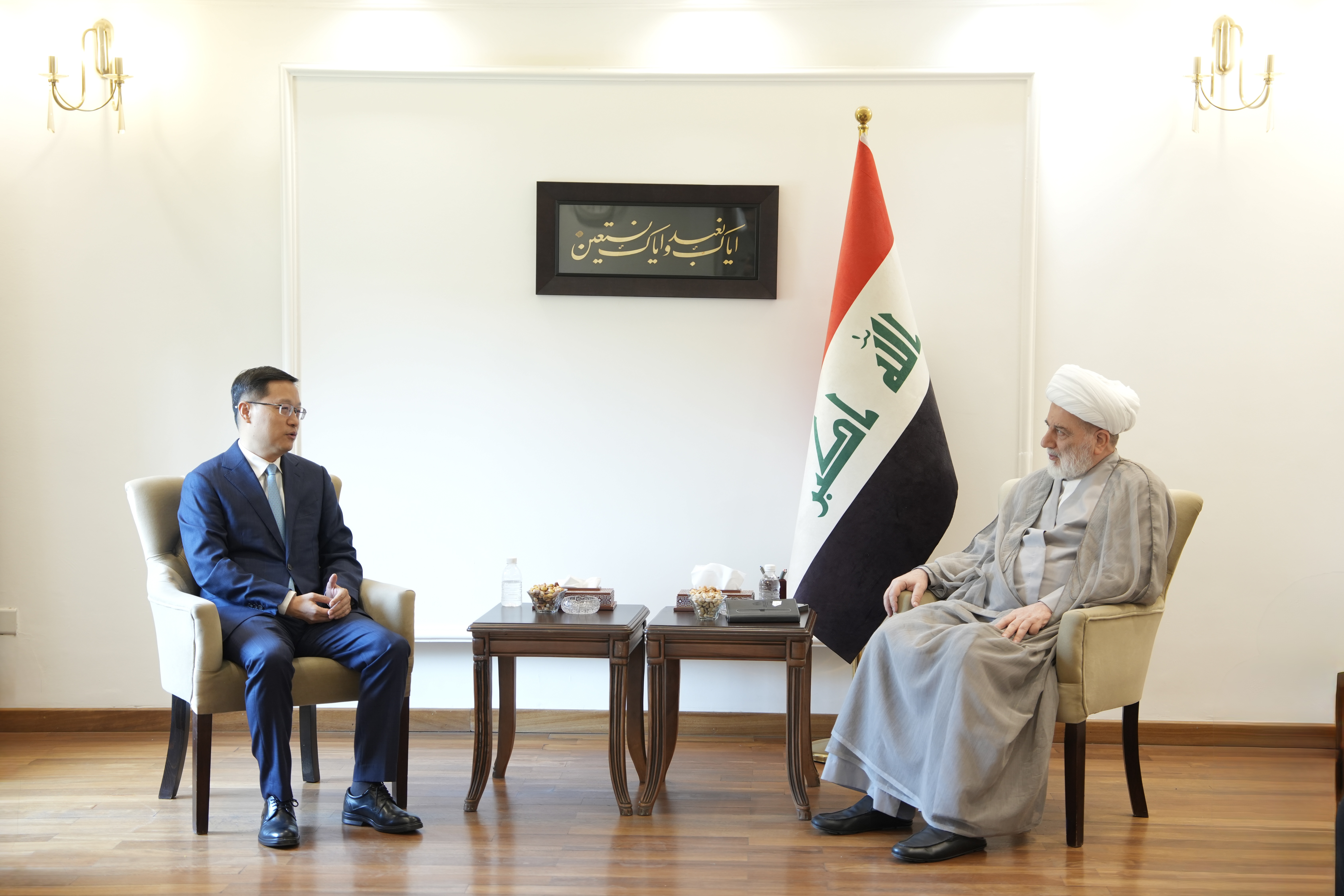


At the invitation of President Xi Jinping, German President Frank-Walter Steinmeier will pay a state visit to China from October 27 to 31.
Xinhua News Agency: On German President Steinmeier’s visit to China that you just announced, could you share the program? How does China see the current state of relations with Germany? What are your expectations for the visit?
Mao Ning: President Steinmeier will visit China again after nearly eight years. During the visit, President Xi Jinping will hold talks with him and Premier Li Qiang and Chairman of the NPC Standing Committee Zhao Leji will meet with him to exchange views on bilateral relations and issues of mutual interest. Besides Beijing, President Steinmeier will also visit Anhui Province.
The sound and steady growth of the comprehensive strategic partnership between China and Germany, the world’s second and third largest economies, not only serves the interests of both countries, but is also what Europe and the world hope to see. The past 54 years since diplomatic ties were established have shown that mutual respect and mutual trust are the bedrock for a stable relationship and mutual benefit the key to success in bilateral cooperation. Our two countries have built strategic consensus through close collaboration and achieved shared prosperity in practical cooperation, delivering tangible benefits to both peoples.
President Steinmeier, an old friend of the Chinese people, has actively contributed to the development of China-Germany relations. We hope to work with the German side to take this visit as an opportunity to cement mutual trust, deepen cooperation and seek joint innovation, so as to make greater progress in bilateral relations, contribute to steady and sustained growth of China-Europe relations, and bring fresh energy to the world.
CCTV: October 25 will mark the 55th anniversary of the restoration of the lawful seat of the People’s Republic of China in the United Nations. How does China see its relationship with the UN over the past 55 years, and how will it enhance its cooperation with the organization in the future?
Mao Ning: On October 25, 1971, the UN General Assembly adopted at its 26th session Resolution 2758 with an overwhelming majority, deciding to restore all rights of the People’s Republic of China in the United Nations. This marked the return of the Chinese people, one-fourth of the world’s population, back to the UN stage, which is of great significance and far-reaching impact for China, the wider world and the United Nations itself. The Chinese people shall always remember the invaluable support and help we received from friendly countries and individuals.
Over the past 55 years, China has always been a builder of world peace, a contributor to global development, and a guardian of the international order. We firmly support the UN in playing a central role in international affairs, actively participate in the work of the UN in various fields, and faithfully fulfill our duties as a permanent member of the UN Security Council. Through the UN, we work to strengthen solidarity and cooperation with other countries, advocate for common security, promote shared development, foster dialogue among civilizations, and advance the reform and improvement of global governance.
Standing at this new starting point of history, China will continue to shoulder its responsibility as a major country, further deepen cooperation with the UN across the board, jointly tackle global challenges, and build a community with a shared future for humanity.
Reuters: The U.S. Treasury has proposed to add biotechnology as a new “prohibited technology” under the U.S. Outbound Investment Security Program. This could restrict American investments in Chinese biotechnology companies. How does the ministry view this measure?
Mao Ning: It serves no one’s interest to take discriminatory measures targeting specific countries or putting restrictions on economic, trade and investment activities based on overstretching the concept of national security. The U.S. should abide by the principles of market economy, stop disrupting normal business cooperation, and help keep global industrial and supply chains stable through concrete actions. China will closely follow relevant developments and take necessary measures to safeguard its legitimate and lawful rights and interests.